All your devices.
One shared system.
The vision: unite phones, tablets, laptops, desktops, and servers into a cluster that puts shared resources behind the screen you’re using.
 SuperMox
Every device. One supercomputer. Yours.
Your phone. Your laptop. That old desktop.
Imagine all their power, working together.
And a digital life that belongs entirely to you.
A universal OS vision. A personal cloud. A shared future.
It’s just scattered across your devices.
Dozens of CPU cores. Gigabytes of memory. Terabytes of storage. Too often, that hardware sits idle while your files live in someone else’s cloud.
The SuperMox whitepaper asks a simple question: what if we brought the power of a data-center cluster to the devices you already own?
One open-source operating system. A familiar experience across your screens. Your hardware working together, for you.
The vision: unite phones, tablets, laptops, desktops, and servers into a cluster that puts shared resources behind the screen you’re using.
Keep your documents, music, and priceless family photos on your own hardware, with a design for replicated storage across devices and locations.
Give retired devices another purpose. SuperMox aims to let lightweight devices draw on the more powerful machines in your personal cluster.
Take ownership of your data, your devices,
and your digital life.
Designed around an idea that feels simple:
your digital world should follow you.
PCPHONESERVERIndependent devices. One personal computing environment.
Discover the Spaced Linux Desktop.
Spaced Linux shares SuperMox’s commitment to open computing and user control. Built on Devuan with sysvinit, it brings together the familiar MATE desktop, Compiz window management, and a choice of coordinated themes. Free and open source, with no systemd dependency and no account required.
Explore a desktop you can use today while SuperMox’s wider cross-device vision develops.
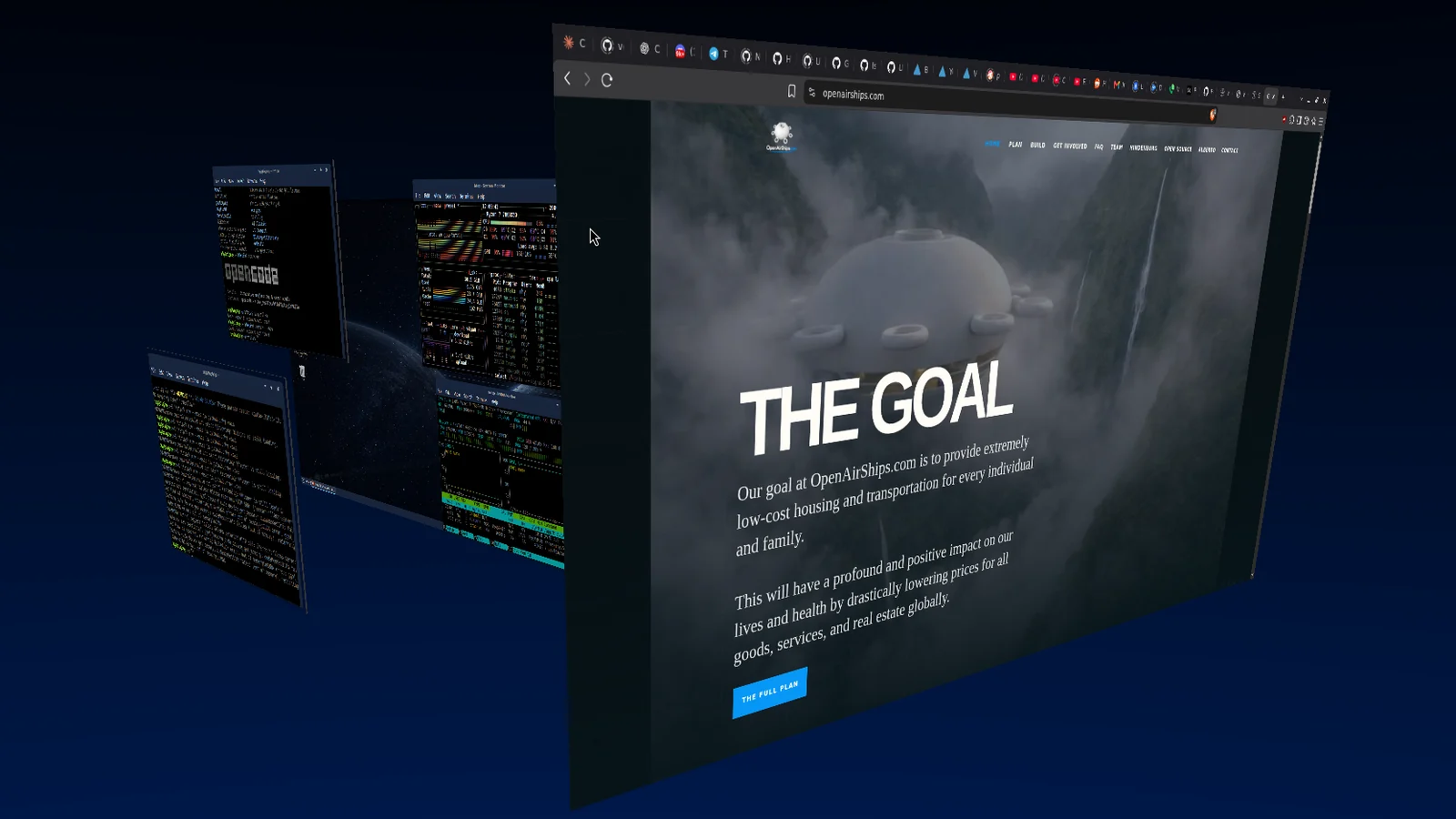
Compiz workspaces in action. Screenshot from SpacedLinux.com ↗. Select the image for a closer look.
MATE, coordinated themes, and Compiz workspaces put everyday apps and window controls within easy reach.
Spaced Linux includes Voxa, a voice assistant with speech recognition and AI models that run on your own computer.
Try the live desktop before installing. Find downloads, desktop screenshots, and setup help at SpacedLinux.com
Open source, all the way forward.
The original design brings together existing open-source projects rather than rebuilding every layer from scratch. The goal is to combine proven building blocks into an experience that is radically easier to use.
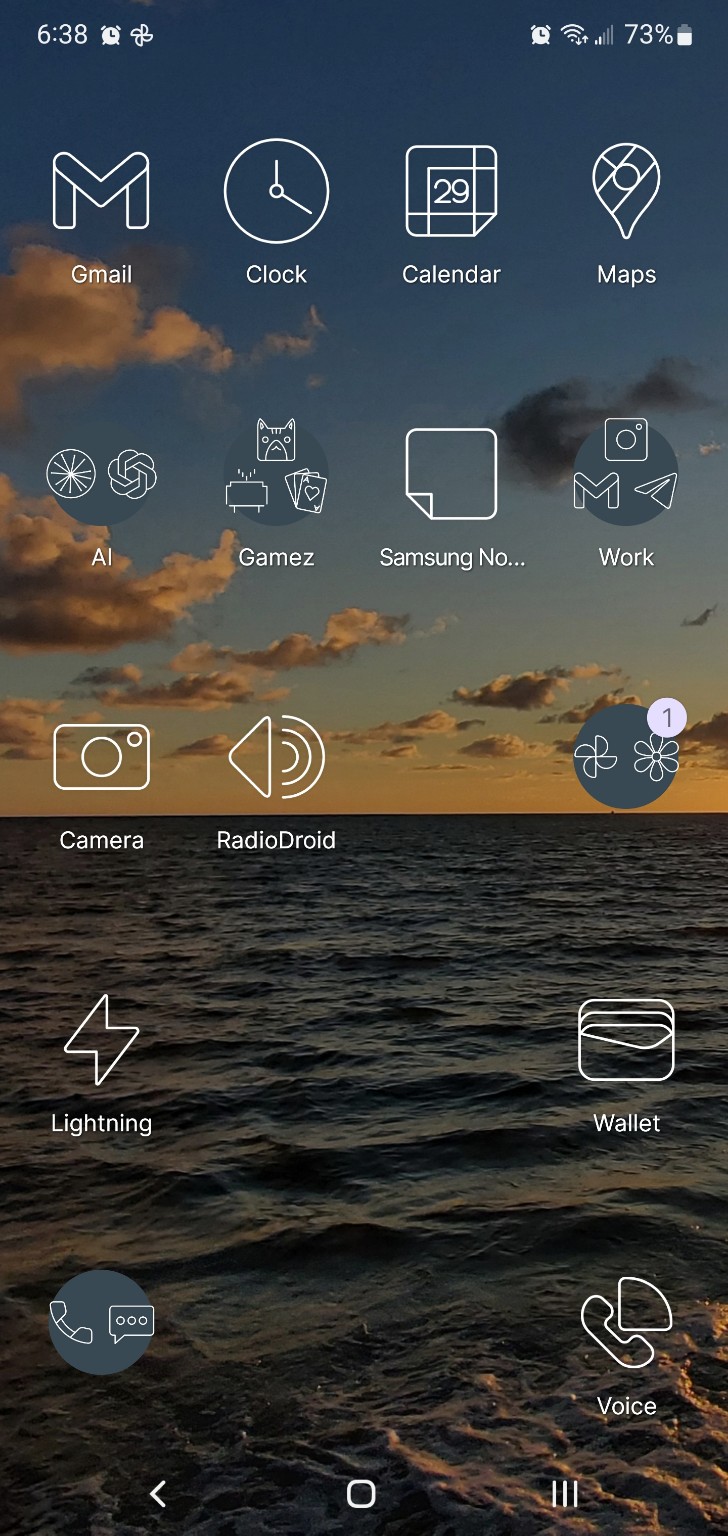
Lawnchair launcher with a personalized home screen. Screenshot provided by rhY Thornton. Select the image for a closer look.
A FAMILIAR FACE FOR MOBILE
LineageOS is an open-source Android distribution, with familiar apps and control over your mobile experience.
The SuperMox vision brings that familiar mobile experience together with the power of your own hardware. Here, Lawnchair shows how a personalized Android home screen can feel. Mobile integration is planned; this is an Android interface reference.
Explore LineageOS ↗SuperMox is being built piece by piece. The full cross-device experience described here is the project’s vision, not a finished universal OS.
A Devuan-based platform with Proxmox-derived virtualization and clustering. Build automation and virtual machine testing.
A LineageOS-based interface, cluster resource management, and simple onboarding for supported devices.
Distributed, prioritized storage, with the whitepaper’s proposed authentication, encryption, and recovery model.
Optional resource sharing with friends and family, reciprocal backups, and a proposed marketplace for idle computing power.
Not yet. SuperMox is in development. Universal device support, shared resources, and the personal cloud are the intended direction. Visit GitHub for the current project materials and development information.
The whitepaper calls for a familiar Android-like experience and a longer useful life for existing hardware. Supported devices, application compatibility, and migration paths will need to be established as the platform develops.
It proposes keeping data on user-controlled devices, distributed backups, hardware biometrics, encryption, recovery phrases, and onion-routed traffic. These are design proposals; implementation and security validation remain part of the work ahead.
Read the whitepaper and repository, open an issue with a concrete idea, or join the discussion about architecture, user experience, hardware support, and testing. The project’s aim is an open platform shaped by its users.
A world of connected devices.
A future beyond proprietary ecosystems.
Help build what comes next.